Generic poker tips are everywhere. "Play tight." "Position is important." "Don't bluff calling stations." You've heard them. But home game poker has specific dynamics that casino and online advice doesn't address. Here are 10 things that actually change outcomes in a regular home game.
1. Track your real results
Most home game players think they're winning. Most are wrong. Feeling like you win more than you lose isn't data. You need an actual session log: date, buy-in total, ending stack, net result. After 20 sessions, you'll know the truth. HG Poker's season mode tracks this automatically.
2. Know your opponents, not just the cards
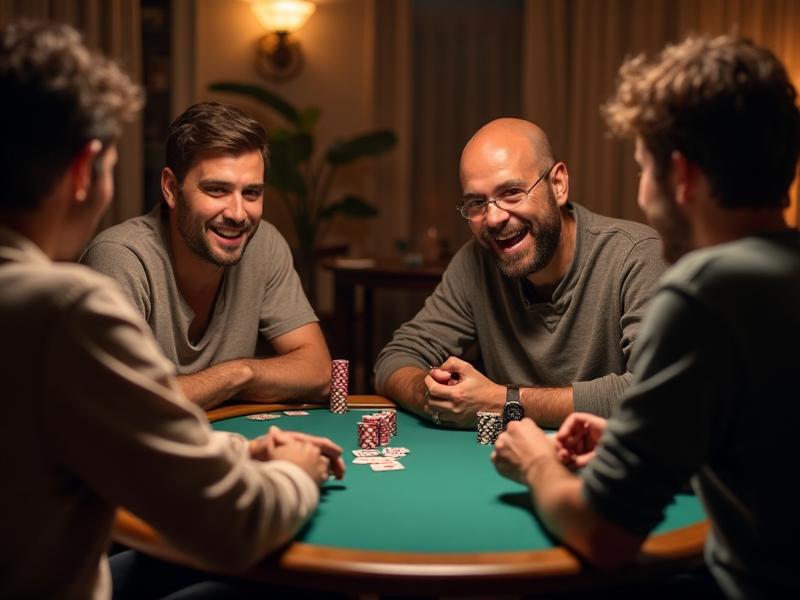
In a home game with the same 6-8 people every week, you accumulate massive edge from studying tendencies. Who always bets when they have it? Who bluffs on scary boards? Who plays scared money? This edge doesn't exist online or in casinos with strangers.
3. Play position aggressively
Home game players massively underweight position. In late position you see what everyone does before you act. Use this: open wider, steal more, continuation bet more, and fold more in early position when out of line.
4. Value bet relentlessly, bluff rarely
Home games are typically loose passive. Players call too much and fold too little. Bluffing against calling stations is -EV. Value bet your strong hands for max chips. Keep bluffs to board textures where your range makes sense to your opponent (rare in home games).
5. Don't rebuy out of ego
One of the biggest leaks: rebuying when you're tilted, tired, or steaming because you lost a big pot. A rebuy should be a strategic decision (you're comfortable, the game is good, you have an edge) — not an emotional reaction.
Stop doing the math manually.
HG Poker logs buy-ins and rebuys and suggests who pays whom after the chip count. Players pay each other outside the app. Try it on iPhone or Android.
6. Set a loss limit before you sit down
Decide your maximum loss before the cards are dealt. Write it in your phone. When you hit it, leave. This single rule separates disciplined players from those who chase losses and end the night stuck 3x their initial buy-in.
7. Use table talk intentionally
In home games, conversation is part of the game. Talking when you have a strong hand can disguise it. Going quiet when you're bluffing is a tell. Learn your own patterns — most players never notice them.
8. Watch the player, not the cards
In a live home game, your opponent's hands, breathing, eyes, and bet timing all contain information. You won't get this online. Pay attention during hands you're not in — you're building a read you'll use later.
9. Eat before you play
Sounds basic. Most people don't do it. Low blood sugar leads to poor decisions, tilt, and impatience. If you're going to play 4-5 hours, treat it like a performance — because it is one.
10. End the night clean
The psychological weight of an unclear settlement sticks. If you're owed money and it's vague, it creates friction with friends. Always settle the same night. Use HG Poker to make the math undeniable so nobody walks away uncertain.
"The best home game players don't just play well — they manage the game environment, their own behavior, and the money side with equal discipline."
HG Poker handles the money side automatically. Track every session, build a real win rate, and host games that end cleanly. Free on the App Store.
Ready to run a cleaner poker night?
HG Poker is free to download. Setup takes 2 minutes.