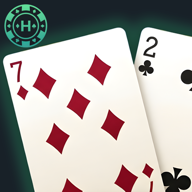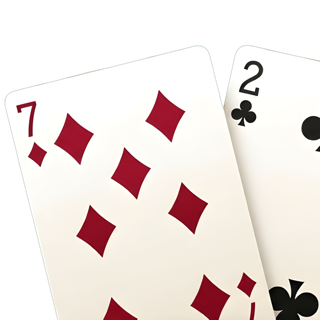
How Walter White Bluffed Hank With the Worst Hand in Poker
Breaking Bad, Season 1, Episode 6, "Crazy Handful of Nothin'." We go through the family poker game street by street: the three-heart flop, the ace on the turn, the river that made Hank's three aces and put a fourth heart on the board, and the one story Walt could tell with nothing. Then the twist: was folding three aces actually a bad fold? Plus three rules about table image you can use at your ow
Chapters
- 0:00 — Seven-deuce vs three aces
- 0:13 — Spoilers + a word for RJ Mitte
- 0:35 — The family game
- 1:05 — The flop and the turn
- 1:34 — Every player's range
- 2:31 — Walt's table image
- 3:19 — The river
- 3:52 — Walt's decision: the story he tells
- 4:37 — You're Hank: call or fold?
- 4:51 — Hank's side of the hand
- 5:23 — The reveal
- 5:34 — Was Hank's fold actually bad?
- 6:09 — How to use this at your home game
Read the full transcript (auto-captions)
Walter White made a DEA agent fold three aces and he did it holding seven deuce, the worst starting hand in poker. Not with luck and not with a tell. He did it because he knew exactly what Hank thought of him and for one hand he played the exact opposite. Quick spoiler [music] warning, this is season 1 episode 6, Crazy Handful of Nothing, and the whole scene only works because of a secret Walt is keeping, so if you haven't seen the show, you're about to learn it. >> [music] >> And before we get into the hand, this scene has Walt Jr. at the table, played by RJ Mitte who passed away earlier this month. He's part of this hand and we're going to talk about how he played it with a lot of respect. Rest in peace, RJ. So, here's the game. It's a family poker night at Walt and Skyler's house. Hank, Walt's brother-in-law and a DEA agent is across from Walt. Walt Jr. is next to Hank, Marie is on the floor at the coffee table, and Skyler's on the couch. It's Texas Hold'em and it's not a tournament. It's a family game with small stakes, which matters because in a game like this, everybody has a reputation. You've played with these people for years. You know who bluffs, who never bluffs, and who's just there for the snacks. Nobody's taking the money seriously, they're throwing chips in and calling them millions, which is exactly how a family game should feel. >> [music] >> Now the cards. The flop comes out three hearts. That means anybody holding two hearts already has a flush and anybody holding a single heart is thinking about it. On a board like this, a lot of hands at a five-person table would stick around. >> Let's see what the turn brings us. >> The turn is the ace of clubs. Not a heart, but it's an ace and anybody holding an ace now has top pair and the betting stays small. A couple of checks, a small bet, a few calls, and everybody sees the river. Remember that because a quiet turn is going to matter a lot when Walt tells his story on the river. So, let's do what good players do at a table like this. Put each player on a range. A range just means all the hands a player could realistically have based on how they've played and who they are. Walt Jr. is a teenager at a family game, there for the fun of it. His range is wide, he'll see a flop with almost anything and he's honest about it as we're about to see. Marie's in the hand but quiet. A quiet A who stays in on three hearts is often holding one heart and hoping or a small piece of the board. Skyler's mostly watching from the couch. Whatever she has, she isn't putting pressure on anybody. Hank is the one who matters. >> [music] >> He's been in all hand, he's loud, he's confident, and when that ace hits the turn, his range is full of aces. Aces with a big kicker like ace king. Hank thinks he's ahead and right now he is. And then there's Walt, just calling, never raising, quiet. If you're Hank, what's Walt's range? >> [music] >> Something careful. A heart he's been waiting with, a pair, something he'd never risk much on without being sure. Because that's who Walt is, or at least that's who Hank thinks he is. >> [music] >> You're looking good, Walt. >> And the scene tells us exactly what everybody thinks of Walt. While the cards are coming out, the table is talking about his cancer treatment. You're looking good, Walt. Your color's better. To everybody at that table, Walt is a sick, mild-mannered high school chemistry teacher who's having the hardest year of his life. Then Hank says it out loud. They're talking about the janitor Hank arrested for stealing chemistry equipment from Walt's school, and Walt says the guy doesn't strike him as a thief. And Hank tells him more or less that Walt wouldn't know a criminal if he was standing close enough to check him for a hernia. And here's the part that makes this scene so good. Hank's talking to the criminal. Walt is the one who took that equipment. He's cooking meth to pay for his treatment, and the guy across from him is the DEA agent working the case. So, Hank has just told us his read of Walt. Harmless, soft, can't even recognize a bad guy, let alone be one. In poker, that's called your table image, and Hank just handed Walt the whole thing. >> You hiding something? >> Hank even asks him, "You hiding something?" He's joking. He has no idea how true that is. Then the river, the ace of hearts. Look what that card just did. Hank's ace king is now three aces, a monster in most hands, but it's also the fourth heart on the board. Now, anybody holding one single heart has a flush, and a flush beats three of a kind. >> Yeah, I got nothing. I'm out. >> Walt Jr. is honest about it. He's got nothing, he's out. The rest of the table drops out, too. >> You accusing me, buddy? >> And it's heads-up. Hank's sitting on three aces, and Walt, who's been quiet all hand. Now, let's look at Walt's cards because the audience doesn't get to see them yet. Seven of spades, two of spades. No heart, no ace. Nothing that can beat Hank. If Walt checks, he loses. If he calls a bet, he loses. The only way seven-deuce wins this pot is if Hank folds. So, Walt asks one question. What story can I tell that Hank will believe? And the river handed him the perfect one. He called a flop with three hearts on it. He stayed quiet on the turn. And now the fourth heart lands. For a careful player, that's exactly what holding one heart and waiting looks like. The story makes sense from start to finish. And the math backs it up. There are nine hearts Hank can't see. More than a third of all possible two-card hands have at least one heart in them. And the hands that stick around on a three-heart flop have a lot more than that. So, Walt, the man who never takes a risk, shoves a big stack of chips into the middle. So, before we see what Hank does, you're in his chair. You've got ace king, three aces. [music] Four hearts on the board. And the most careful player you know just put a big stack in the middle. Pause the video if you need to. Call or fold. >> Got a heart? >> Now, put yourself in Hank's chair. Three aces is a great hand. But on this board, it's what poker players call a bluff catcher. It beats a bluff and it loses to almost every real hand that would bet this big. Any heart, any full house. >> You got the flush, don't you? >> And Hank's whole read on Walt says the same thing. Walt doesn't bluff. Walt doesn't take risks. If careful Walt is putting all those chips in, he has the heart. So, Hank tries to get him talking and Walt just sits there. >> Yeah, I fold. >> And Hank folds. Ace king, three aces in the muck. Marie can't believe it. He threw away an ace and a king with it. Then Marie looks at Walt's cards. Seven, two. The worst hand you can be dealt in Texas Hold'em and it just beat three aces. A crazy handful of nothing, which is exactly what the episode is named after. Now, here's the part most people get wrong about this scene. Everybody laughs at Hank for folding three aces to seven-deuce. But was it a bad fold? Against the Walt that Hank knew, it was the right one. Think about it from Hank's side. If Walt really is the careful guy who never bluffs, then when he bets big on the fourth heart, he has a heart almost every time. Calling there would just be paying him off. Against that player, folding three aces is disciplined poker. Hank didn't make a bad decision. He made a good decision based on bad information because the Walt he'd been reading for years didn't exist anymore. And that's the whole show in one hand. Everybody around Walt is still reading the old Walt and Walt knows it. So, what can you actually take from this to your own game? Three things. [music] First, know what the table thinks of you. Hank told Walt out loud, "Harmless, careful, can't spot a criminal." Your image is the most valuable thing you bring to a game and most people never think about it. Second, bluff when the card tells your story. Walt didn't bluff on any random river. He bluffed on the one card that made his quiet calls look like a flush against the one player who could actually fold, a guy holding a hand that only beats a bluff. And third, don't do it every week. Walt's bluff works because he's never done it before. The first big bluff from the quiet player at your table gets folded to. The fifth one gets called. And you can use this at your own home game tonight. Figure out what your friends think of you. If you're the guy who's always bluffing, your big bets get called, so value bet your good hands all night. If you're the quiet one, you're sitting on Walt's image and you've got one huge bluff in the bank. Spend it on the right card against the right friend. And if you want to see what a different TV crime family was playing at their table, I broke down every poker game in The Sopranos, and it isn't the game you think. It's right here. And tell me in the comments, >> [music] >> in Hank's seat with three aces, do you call? >> [music]
Run your next game with HG Poker
Keep buy-ins, rebuys and results together. Your group pays each other outside the app.